Buy online-ads.eu ?
We are moving the project
online-ads.eu .
Are you interested in purchasing the domain
online-ads.eu ?
domain@kv-gmbh.de · 0541-91531010
Buy online-ads.eu ?
'Will + participle 2?'
"Will + participle 2" is a construction used to form the future perfect tense in English. It is used to indicate an action that will be completed before a specific point in the future. This construction is formed by using the auxiliary verb "will" followed by the past participle of the main verb. For example, "By the time you arrive, I will have finished my homework." **
What are the Latin forms of the present participle, perfect passive participle, and future active participle?
The Latin present participle is formed by adding -ns, -ntis to the present stem of the verb. For example, the present participle of the verb "amo" (I love) is "amans, amantis" (loving). The perfect passive participle is formed by adding -us, -a, -um to the verb stem. For example, the perfect passive participle of the verb "amo" is "amatus, amata, amatum" (loved). The future active participle is formed by adding -urus, -ura, -urum to the verb stem. For example, the future active participle of the verb "amo" is "amaturus, amatura, amaturum" (about to love). **


Similar search terms for Participle
Top-Angebote
Products related to Participle:
-
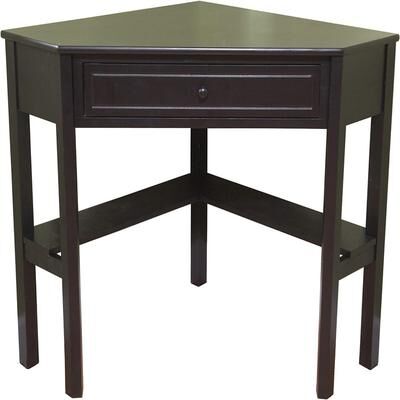
No Marketing Systems Wood Corner Desk"The corner desk measures 42"" X 28"" X 30"" And Weighs 42 lbs. Arrives with only minimal Assembly required. Comfortably fitting in any home, studio, apartment, and office, The small corner writing desk maximizes space in compact rooms."258,89 $*Shipping: 0,00 $Secure redirect to the provider
-
VEGAZ ADS-052 Exhaust pressure sensorExhaust System: for vehicles with factory fitted soot -/particulate filter; Construction Year from: 07/2012, 08/2011, 06/2013, 05/2013; Construction Year to: 03/2015, 04/2015, 05/2015; Engine Code: 4N13, 4D56, SHY1, 4M41, EE20Z, 4N14, SHY4, 20Z; Vehicle Identification Number (VIN) from: 16112572,49 £*Shipping: 8,45 £Secure redirect to the provider
-
Curasept ADS DNA Protective toothpaste 75 mlCurasept ADS DNA Protective, 75 ml, Complete protection for Women, The Curasept ADS DNA Protective toothpaste ensures complete care for your teeth and gums. It cleans teeth of plaque and food remnants while caring for the gums and mucous membranes in your mouth. Characteristics: alleviates dryness in the mouth prevents tooth decay provides relief from the feeling of dryness also suitable for people with sensitive teeth and gums has a soothing effect reduces bleeding gums balances the pH in the mouth takes care of gums cleans teeth reliably How to use: Clean the teeth at least twice a day with a quality toothbrush.4,85 £*Shipping: 3,99 £Secure redirect to the provider
-
Curasept ADS DNA 220 mouthwash 200 mlCurasept ADS DNA 220, 200 ml, Oral care for Men, The Curasept ADS DNA 220 mouthwash freshens your breath while also fighting plaque and helps keep your gums and teeth healthy. Characteristics: kills bacteria keeps gums healthy strengthens the enamel reduces the sensitivity of teeth6,89 £*Shipping: 3,99 £Secure redirect to the provider


-
What are participle clauses?
Participle clauses are a type of clause that uses a present participle (-ing form) or a past participle (-ed form) to provide additional information about the subject of the main clause. They can be used to show simultaneous actions, cause and effect, or to provide descriptive details. For example, in the sentence "Feeling tired, she decided to go to bed," the participle clause "Feeling tired" provides additional information about the subject "she." **
-
What is a participle?
A participle is a form of a verb that can function as an adjective or be part of a verb phrase. There are two types of participles in English: the present participle, which ends in -ing (e.g. "walking"), and the past participle, which can end in -ed, -en, -d, -t, -n, or -ne (e.g. "broken"). Participles are used to modify nouns or pronouns, and they can also be used to form verb tenses such as the present perfect or past perfect. **
-
What is the difference between the past participle and the present participle?
The past participle is a verb form used to indicate a completed action or state that occurred in the past. It is often used with auxiliary verbs to form the perfect tenses (e.g., "has eaten," "had gone"). The present participle, on the other hand, is a verb form used to indicate an ongoing action or state in the present or future. It is formed by adding "-ing" to the base form of the verb and is used to create the progressive tenses (e.g., "is eating," "will be going"). **
-
How can the terms premature, simultaneous, and subsequent be explained in relation to past participle, present participle, and future participle?
The terms premature, simultaneous, and subsequent can be explained in relation to past participle, present participle, and future participle based on their timing in relation to the action of the verb. The past participle refers to an action that has already been completed, making it premature in relation to the present moment. The present participle refers to an action that is happening at the same time as something else, making it simultaneous. The future participle refers to an action that will happen at a later time, making it subsequent to the present moment. These terms help to clarify the timing of the action in relation to the verb. **


What is a nominalized participle?
A nominalized participle is a verb form that has been turned into a noun. This is done by adding a suffix to the participle form of the verb, which allows it to function as a noun in a sentence. Nominalized participles are commonly used in various languages to express actions or qualities in a more abstract or general way. **
What is a substantivized participle?
A substantivized participle is a verb form that has been turned into a noun by adding a definite article and declining it for case, gender, and number. In other words, it is a participle that has been transformed into a noun and can function as a subject, object, or complement in a sentence. This process allows the participle to take on the characteristics of a noun while still retaining some of its verbal qualities. **
Top-Angebote
Products related to Participle:
-
Hay House UK Expert Secrets by Russell Brunson - Paperback - Underground Playbook for Online Marketing, Sales Funnels & EntrepreneurshipExpert Secrets: The Underground Playbook by Russell Brunson is a non-fiction paperback book. Written by Russell Brunson, the CEO and co-founder of ClickFunnels, this book is an essential guide for entrepreneurs, marketers, and business owners who want to turn everyday website traffic into a thriving movement of loyal, paying customers. It breaks down how to position yourself as a trusted expert, craft messages that genuinely resonate with your dream customers, and guide them through a value ladder toward meaningful, lasting purchases and long-term relationships built on real, ethical value. The book opens with a premise that your message has the power to change lives, whether that means saving a marriage, repairing a family, improving someone's health, or helping a company grow — but only if you know how to communicate it. Published by Hay House UK, this updated paperback edition is a valuable resource for anyone looking to improve their marketing skills and build a loyal customer base.13,99 £*Shipping: 2,99 £Secure redirect to the provider
-
No Marketing Systems Wood Corner Desk"The corner desk measures 42"" X 28"" X 30"" And Weighs 42 lbs. Arrives with only minimal Assembly required. Comfortably fitting in any home, studio, apartment, and office, The small corner writing desk maximizes space in compact rooms."258,89 $*Shipping: 0,00 $Secure redirect to the provider
-
VEGAZ ADS-052 Exhaust pressure sensorExhaust System: for vehicles with factory fitted soot -/particulate filter; Construction Year from: 07/2012, 08/2011, 06/2013, 05/2013; Construction Year to: 03/2015, 04/2015, 05/2015; Engine Code: 4N13, 4D56, SHY1, 4M41, EE20Z, 4N14, SHY4, 20Z; Vehicle Identification Number (VIN) from: 16112572,49 £*Shipping: 8,45 £Secure redirect to the provider
-
'Will + participle 2?'
"Will + participle 2" is a construction used to form the future perfect tense in English. It is used to indicate an action that will be completed before a specific point in the future. This construction is formed by using the auxiliary verb "will" followed by the past participle of the main verb. For example, "By the time you arrive, I will have finished my homework." **
-
What are the Latin forms of the present participle, perfect passive participle, and future active participle?
The Latin present participle is formed by adding -ns, -ntis to the present stem of the verb. For example, the present participle of the verb "amo" (I love) is "amans, amantis" (loving). The perfect passive participle is formed by adding -us, -a, -um to the verb stem. For example, the perfect passive participle of the verb "amo" is "amatus, amata, amatum" (loved). The future active participle is formed by adding -urus, -ura, -urum to the verb stem. For example, the future active participle of the verb "amo" is "amaturus, amatura, amaturum" (about to love). **
-
What are participle clauses?
Participle clauses are a type of clause that uses a present participle (-ing form) or a past participle (-ed form) to provide additional information about the subject of the main clause. They can be used to show simultaneous actions, cause and effect, or to provide descriptive details. For example, in the sentence "Feeling tired, she decided to go to bed," the participle clause "Feeling tired" provides additional information about the subject "she." **
-
What is a participle?
A participle is a form of a verb that can function as an adjective or be part of a verb phrase. There are two types of participles in English: the present participle, which ends in -ing (e.g. "walking"), and the past participle, which can end in -ed, -en, -d, -t, -n, or -ne (e.g. "broken"). Participles are used to modify nouns or pronouns, and they can also be used to form verb tenses such as the present perfect or past perfect. **
Similar search terms for Participle
-
Curasept ADS DNA Protective toothpaste 75 mlCurasept ADS DNA Protective, 75 ml, Complete protection for Women, The Curasept ADS DNA Protective toothpaste ensures complete care for your teeth and gums. It cleans teeth of plaque and food remnants while caring for the gums and mucous membranes in your mouth. Characteristics: alleviates dryness in the mouth prevents tooth decay provides relief from the feeling of dryness also suitable for people with sensitive teeth and gums has a soothing effect reduces bleeding gums balances the pH in the mouth takes care of gums cleans teeth reliably How to use: Clean the teeth at least twice a day with a quality toothbrush.4,85 £*Shipping: 3,99 £Secure redirect to the provider
-
Curasept ADS DNA 220 mouthwash 200 mlCurasept ADS DNA 220, 200 ml, Oral care for Men, The Curasept ADS DNA 220 mouthwash freshens your breath while also fighting plaque and helps keep your gums and teeth healthy. Characteristics: kills bacteria keeps gums healthy strengthens the enamel reduces the sensitivity of teeth6,89 £*Shipping: 3,99 £Secure redirect to the provider
-
Essie Gel Couture Nail Polish 13,5mL 370 Model ClicksA skin-care product. Gel Couture luxurious long wear nail polish with gel-like color and shine in an easy 2-step system, it lasts up to 12 days. No base coat or UV lamp needed. Step 1: Apply two layers of the color gel couture. Step 2: Apply the top coat gel couture.10,50 £*Shipping: 4,12 £Secure redirect to the provider
-
Curasept ADS DNA 720 gel toothpaste 75 mlCurasept ADS DNA 720, 75 ml, Complete protection unisex, The Curasept ADS DNA 720 toothpaste ensures complete care for your teeth and gums. It cleans teeth of plaque and food remnants while caring for the gums and mucous membranes in your mouth. Characteristics: prevents plaque takes care of gums cleans teeth reliably prevents the build-up of tartar How to use: Clean the teeth at least twice a day with a quality toothbrush.4,68 £*Shipping: 3,99 £Secure redirect to the provider
-
What is the difference between the past participle and the present participle?
The past participle is a verb form used to indicate a completed action or state that occurred in the past. It is often used with auxiliary verbs to form the perfect tenses (e.g., "has eaten," "had gone"). The present participle, on the other hand, is a verb form used to indicate an ongoing action or state in the present or future. It is formed by adding "-ing" to the base form of the verb and is used to create the progressive tenses (e.g., "is eating," "will be going"). **
-
How can the terms premature, simultaneous, and subsequent be explained in relation to past participle, present participle, and future participle?
The terms premature, simultaneous, and subsequent can be explained in relation to past participle, present participle, and future participle based on their timing in relation to the action of the verb. The past participle refers to an action that has already been completed, making it premature in relation to the present moment. The present participle refers to an action that is happening at the same time as something else, making it simultaneous. The future participle refers to an action that will happen at a later time, making it subsequent to the present moment. These terms help to clarify the timing of the action in relation to the verb. **
-
What is a nominalized participle?
A nominalized participle is a verb form that has been turned into a noun. This is done by adding a suffix to the participle form of the verb, which allows it to function as a noun in a sentence. Nominalized participles are commonly used in various languages to express actions or qualities in a more abstract or general way. **
-
What is a substantivized participle?
A substantivized participle is a verb form that has been turned into a noun by adding a definite article and declining it for case, gender, and number. In other words, it is a participle that has been transformed into a noun and can function as a subject, object, or complement in a sentence. This process allows the participle to take on the characteristics of a noun while still retaining some of its verbal qualities. **
* All prices are inclusive of VAT and, if applicable, plus shipping costs. The offer information is based on the details provided by the respective shop and is updated through automated processes. Real-time updates do not occur, so deviations can occur in individual cases. ** Note: Parts of this content were created by AI.